Why are oral cancer screenings important for early detection? A dentist in NW Calgary can help find early signs of oral health problems, including oral cancer. Regular screenings help spot any unusual changes in the mouth before they become serious. Finding problems early can make treatment easier and more effective.
Many people are unaware that oral cancer can develop without clear pain or symptoms in the early stages. This is why routine screening is an important part of preventive dental care.
What Is an Oral Cancer Screening?
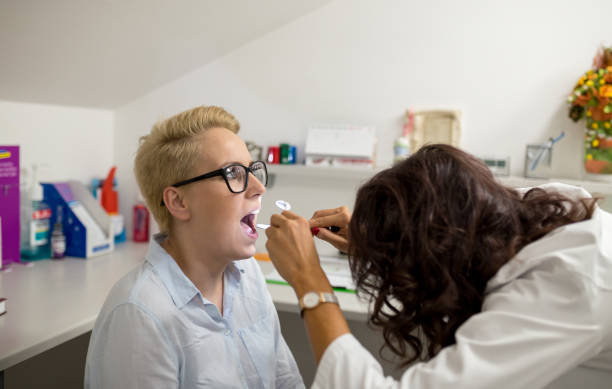
An oral cancer screening is a quick and simple examination of the mouth, tongue, gums, and throat. The goal is to look for any unusual signs, such as sores, lumps, or colour changes that may need further attention.
Screenings are usually part of a routine dental checkup and do not take much time.
Why Early Detection Is Important
Oral cancer can develop silently in the early stages, which makes regular screening very important. Detecting changes early allows for faster diagnosis and better treatment planning.
Key benefits of early detection include:
- Better probability of successful treatment.
- The treatment options are not too complicated.
- Quicker recovery options.
- Lowered chance of complications.
- Improved oral health over time.
How Oral Cancer Screenings Work
Learn how oral cancer screenings in NW Calgary can help reduce anxiety and enhance awareness.
Usually, the screening process includes:
- Visual Examination: The dentist will examine your lips, tongue, cheeks, and throat for any changes.
- Physical Examination: The mouth and jaw are gently examined for lumps or other unusual tissue changes.
- Colour and Texture Check: Any abnormal colour changes or rough areas are examined more closely.
- Lymph Node Check: The neck area may be checked for swelling or unusual signs.
The entire process is usually completed within a few minutes during a routine visit.
Signs That May Need Further Attention
Changes occurring during screening or after screening warrant further assessment.
Some examples are:
- Mouth sores that don’t heal.
- Bleeding without any cause.
- Mouth with red or white patches.
- Hard to swallow.
- Swelling in your mouth or neck.
- Consistent throat pain.
Not all changes mean you have cancer, but please get checked.
When Should You Get an Oral Cancer Screening?
Many patients wonder when they should get an oral cancer screening.
Screenings are typically recommended:
- During regular dental checkups
- For adults with risk factors such as tobacco use
- If there are noticeable changes in the mouth
- As part of preventive oral health care
- At least once a year for most adults
More frequent screenings may be suggested for higher-risk individuals.
Who Is at Higher Risk?
Some factors can increase the risk of oral health concerns.
These include:
- Tobacco use
- Excessive alcohol consumption
- History of sun exposure on the lips
- Family history of oral cancer
- Poor oral hygiene habits
Even without risk factors, regular screening is still important.
Why Routine Dental Visits Help
Going to dental visits can help identify changes that are not visible at home.
A dentist near you can monitor oral health over time and detect early signs of small changes. This helps support better long-term prevention and care.
What Happens If Something Unusual Is Found?
If any suspicious area is detected, further measures may be required.
- Further Checkup.
- Keeping track of things over time.
- Referral For Testing
- Recommendation of biopsy if needed.
When patients are evaluated early, they receive timely care and better outcomes.
Preventing Oral Health Problems
Some cases cannot be prevented, but then again, following healthy habits can reduce the risk.
Practices that help:
- Use a toothbrush and floss.
- Stay away from tobacco.
- Reducing alcohol usage.
- Maintaining moisture.
- Frequent dental visits.
Following these behaviours will enhance your dental health and lower risk factors.
Take a Step Toward Safer, Smarter Oral Health!
Regular oral cancer screenings near you are a small but powerful part of protecting long-term oral health. These quick checks help identify early changes in the mouth, support preventive care, and make it easier to manage concerns before they become serious.
Staying consistent with dental visits helps with early detection and provides better peace of mind for your overall well-being. Schedule your visit today and receive caring, professional dental support focused on your long-term health at Reflections Dental Group.
FAQs
Will an oral cancer screening hurt?
No, oral cancer screening is not painful. The dentist looks at your mouth and gently checks the surrounding areas.
How long does it take?
It usually takes only a few minutes and is often done during a regular dental checkup.
Can oral cancer be detected early?
Yes, early signs can often be identified during routine screenings, which improves the chances of successful treatment.
Do I need a screening if I have no symptoms?
Yes, screenings are important even without symptoms because early stages may not show visible or painful signs.