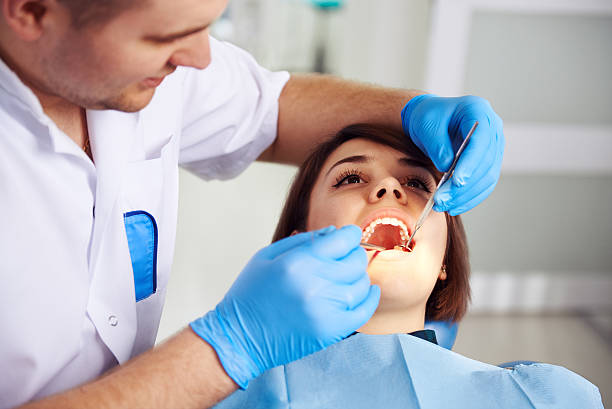
Tooth extraction recovery can take a few days to a few weeks. It depends on the tooth, how it was removed, and how well the area heals. The first few days may have the most swelling and soreness. After that, these symptoms often improve as the gum heals. Tooth extractions in NW Calgary may have different recovery times depending on whether the tooth is easy or more difficult to remove. Following your dentist’s care instructions can help the area heal well.
Knowing what to expect each day can also make the recovery period easier to manage.
Tooth Extraction Recovery Time by Day
The tooth extraction recovery time by day can vary, but a general pattern is:
- Day 1: A blood clot forms in the extraction area. Mild bleeding, soreness, and swelling may occur.
- Days 2–3: Swelling and discomfort may be more noticeable before they begin to settle.
- Days 4–7: Pain and swelling often start improving. The gum continues to close and heal.
- After 1 week: Daily activities are usually easier, although the area may still feel tender.
- In the following weeks, deeper tissues continue to heal even after the gum looks better.
A more difficult extraction may take longer to heal.
How Long Does Pain Last After Tooth Extraction?
The answer to how long pain lasts after tooth extraction depends on the extraction and the healing process. Mild to moderate soreness is common during the first few days. It should generally become easier to manage as the area heals.
Pain that gets worse, severe swelling, fever, or a bad taste or smell from the area should be checked by a dentist. These signs may mean the area is not healing properly and needs care.
How Long to Rest After Tooth Extraction?
Knowing how long to rest after tooth extraction can help protect the healing area. Rest is especially important on the day of the extraction.
For the first 24 hours:
- Keep physical activity light.
- Avoid heavy lifting and strenuous exercise.
- Follow the recommended eating and drinking instructions.
- Avoid disturbing the extraction area.
- Sleep with the head slightly raised if recommended.
Normal activities can often be resumed gradually as comfort improves. More complex extractions may require additional rest.
What Can Help the Extraction Site Heal?
After tooth extractions near you, simple care can help protect the blood clot and support healing.
- Follow the dental care instructions provided after treatment.
- Avoid smoking or using tobacco while the area is healing.
- Eat soft foods if chewing is uncomfortable.
- Do not touch the extraction area with your fingers or other objects.
- Keep your mouth clean as your dentist recommends.
- Take recommended pain medicine according to the provided directions.
The blood clot is important during early healing, so anything that disturbs it can delay recovery.
When Is Recovery Taking Too Long?
Recovery does not happen at exactly the same speed for everyone. A dentist in NW Calgary can check the extraction site if healing does not seem to be progressing normally.
Contact a dental professional if there is:
- Pain that becomes stronger after initially improving
- Swelling that continues to increase
- Ongoing or heavy bleeding
- Fever or feeling unwell
- A strong bad taste or smell
- Difficulty opening the mouth or swallowing
A dental assessment can help determine whether the area is healing as expected.
Does the Type of Extraction Affect Recovery?
Yes. Tooth extractions in NW Calgary can vary in difficulty. A straightforward extraction may have a shorter recovery period, while a tooth that is difficult to access may need more healing time.
The location and condition of the tooth can also affect recovery. The expected healing time can be discussed before treatment, so there is a clearer idea of what to expect.
When Should a Dental Checkup Be Considered?
If healing feels slower than expected, a dental professional can assess the need for tooth extractions near you. A checkup may be useful when pain, swelling, bleeding, or other symptoms do not follow the expected pattern.
A dentist near you can examine the area and explain whether the healing process appears normal or requires further care.
Get Clear Guidance During Your Recovery!
Recovery after an extraction takes time, and healing can vary from one person to another. Paying attention to changes in pain, swelling, bleeding, and overall comfort can help identify when a dental check is needed.
Contact Reflections Dental Group for guidance on your recovery, and book an appointment if the extraction area needs to be assessed.
FAQs
Can normal activities continue after a tooth extraction?
Light activities may be possible after the first day if comfort allows. Strenuous exercise and heavy lifting are usually best avoided during early healing.
Is some swelling normal after an extraction?
Yes. Swelling can occur after an extraction and may be more noticeable during the first few days. It should generally begin to settle rather than continue getting worse.
When can normal foods be eaten again?
Soft foods are often easier to eat during the first few days. You can slowly return to normal foods as the area heals and chewing feels comfortable.
What if the extraction area starts hurting more after a few days?
Increasing pain after the area seemed to be improving should not be ignored. A dental professional can examine the site and determine whether there is a problem with healing.