Have missing teeth started making it harder to eat comfortably, speak clearly, or feel confident about your smile? Many people visiting a dental clinic in NW Calgary want to learn how dental bridges can replace missing teeth and improve everyday comfort and function. Empty spaces left by missing teeth may also cause nearby teeth to shift, affect the bite, and change the smile’s appearance over time if left untreated.
Dental bridges are used to fill these gaps with natural-looking replacement teeth that help restore chewing ability, speech clarity, and the overall appearance of your smile.
What Is a Dental Bridge?
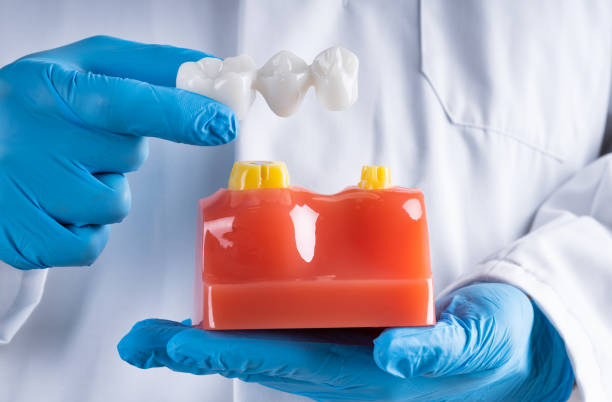
A dental bridge is a fixed dental restoration used to replace one or more missing teeth.
It usually includes:
- Artificial replacement teeth
- Support from nearby teeth or implants
- A custom shape designed to fit the smile
The bridge stays securely in place and helps improve both appearance and chewing ability.
How Dental Bridges Work for Missing Teeth
Many patients ask about how dental bridges work for missing teeth and why they are commonly recommended.
Dental bridges use nearby supporting teeth to hold an artificial tooth in place. The replacement tooth fills the space left by a missing natural tooth.
This may help:
- Restore chewing function
- Improve speech clarity
- Prevent nearby teeth from shifting.
- Support smile appearance
Why Replacing Missing Teeth Is Important
Leaving missing tooth gaps untreated can cause dental problems over time.
Possible problems include:
- Trouble chewing some foods
- Changes in the way your teeth bite together
- Nearby teeth are moving out of place.
- Jaw pain or discomfort
- Changes in facial appearance
Replacing missing teeth early may help prevent these problems.
How Dental Bridges Replace Missing Teeth
Understanding how dental bridges replace missing teeth can make treatment easier to understand.
The process usually involves:
- Examining the missing tooth area
- Preparing nearby support teeth if needed
- Taking impressions or digital scans
- Creating a custom bridge
- Securing the bridge in place
The goal is to create a stable and natural-looking tooth replacement.
Types of Dental Bridges
Different bridge options may be recommended depending on oral health needs.
- Traditional Bridges: Supported by teeth on both sides of the gap.
- Cantilever Bridges: Supported by one nearby tooth.
- Implant-Supported Bridges: Attached to dental implants instead of natural teeth.
The most suitable option depends on the location of the missing teeth and overall dental health.
Benefits of Dental Bridges
Dental bridges can provide many helpful benefits.
Possible benefits include:
- Better chewing ability
- Improved support while speaking
- A more complete and natural-looking smile
- Helping prevent nearby teeth from shifting
- More comfort during daily activities
Many patients choosing dental bridges in NW Calgary want a stable solution that looks natural and supports everyday activities.
What to Expect During the Procedure
The bridge process is usually completed over multiple visits.
Treatment may include:
- Dental examination
- Tooth preparation
- Temporary bridge placement
- Final bridge fitting
Each step is carefully planned to improve fit and comfort.
How Long Do Dental Bridges Last?
Dental bridges can last many years with proper care and regular dental visits.
Their lifespan may depend on:
- Oral hygiene habits
- Type of bridge
- Diet choices
- Gum health
- Daily wear and tear
Routine care helps maintain long-term results.
Cleaning Tips for Dental Bridges
Good oral hygiene is important for bridge maintenance. Many patients ask about proper cleaning tips for dental bridges to help protect surrounding teeth and gums.
Helpful care habits include:
- Brushing your teeth twice a day
- Cleaning carefully around the bridge with floss
- Using specialized bridge-cleaning tools is recommended.
- Avoiding very hard foods while chewing
- Visiting a dental clinic near you regularly for checkups
Keeping your gums healthy is important for helping dental bridges last longer.
Signs a Dental Bridge May Be Needed
A dental bridge may be recommended when:
- One or more teeth are missing.
- Chewing becomes difficult
- Teeth start moving out of place.
- The appearance of your smile changes
- A removable option is not preferred
A dental checkup helps the dentist decide if a bridge is the right choice for you.
Choosing Professional Dental Care
If you are searching for dental bridges near you, you may also want help choosing the right treatment for your smile and dental needs.
A dental evaluation may help check:
- Which type of bridge is best for you
- The overall health of your gums
- Strength of the nearby teeth
- Your long-term oral health goals
Proper planning can help improve comfort and support long-lasting results.
Restore Your Smile With Comfortable Tooth Replacement Solutions!
Missing teeth can affect more than just your smile. They can also make eating, speaking, and daily comfort more difficult. Dental bridges are used to replace missing teeth, improve normal mouth function, and support long-term oral health. Understanding how dental bridges work can help you feel more comfortable and confident when choosing a tooth replacement option. For personalized care, detailed dental exams, and custom dental bridge treatment, contact Reflections Dental Group today to book your appointment.
FAQs
Are dental bridges removable?
Most dental bridges are fixed in place and stay securely attached while eating, speaking, and during daily activities.
Can dental bridges look natural?
Yes, modern dental bridges are made to match the shape and colour of your natural teeth for a more natural-looking smile.
How long does it take to get a dental bridge?
Getting a dental bridge usually takes a few dental visits, depending on the type of bridge and the condition of your teeth.
Can dental bridges improve chewing?
Yes, dental bridges can help you chew better by filling the gaps left by missing teeth.