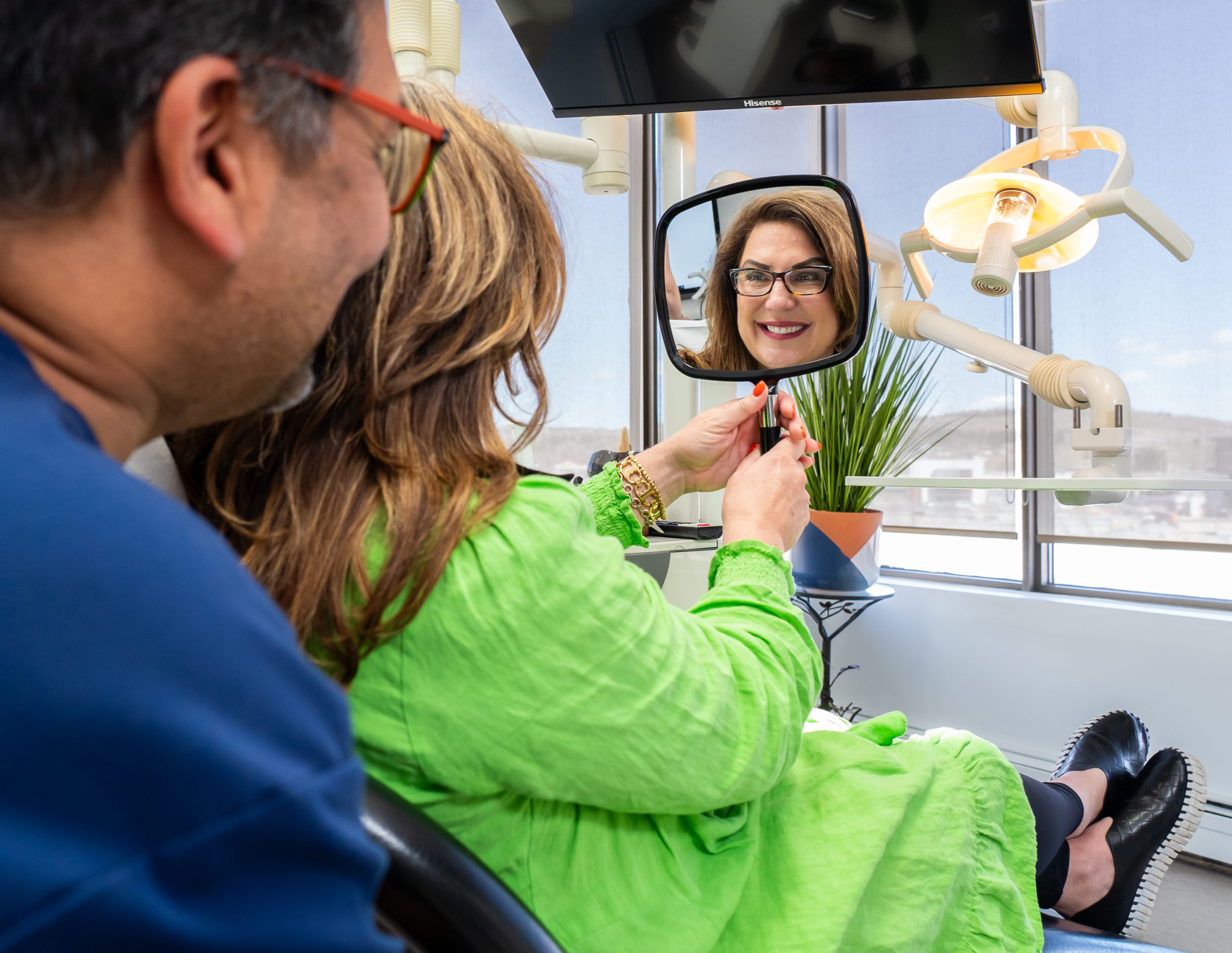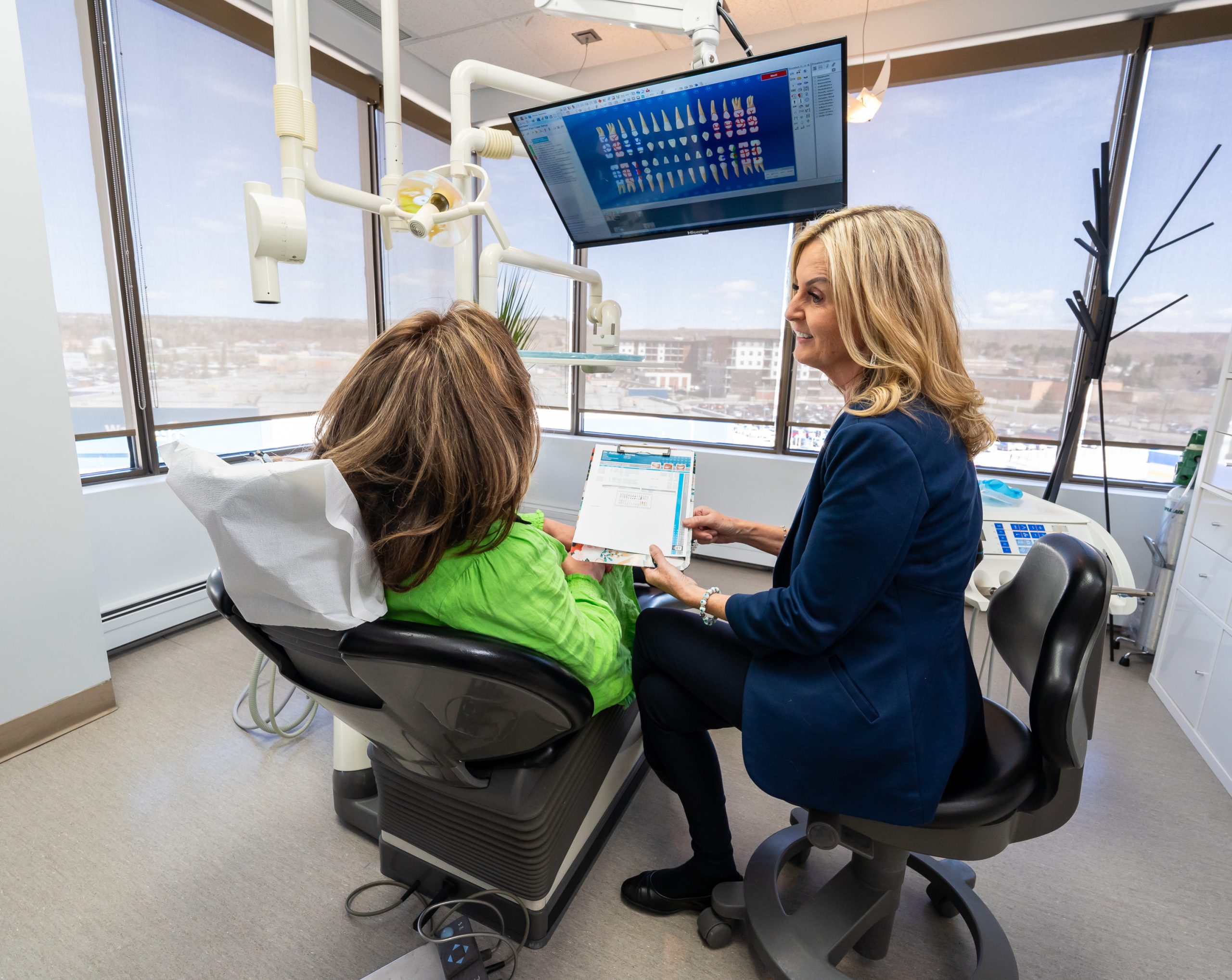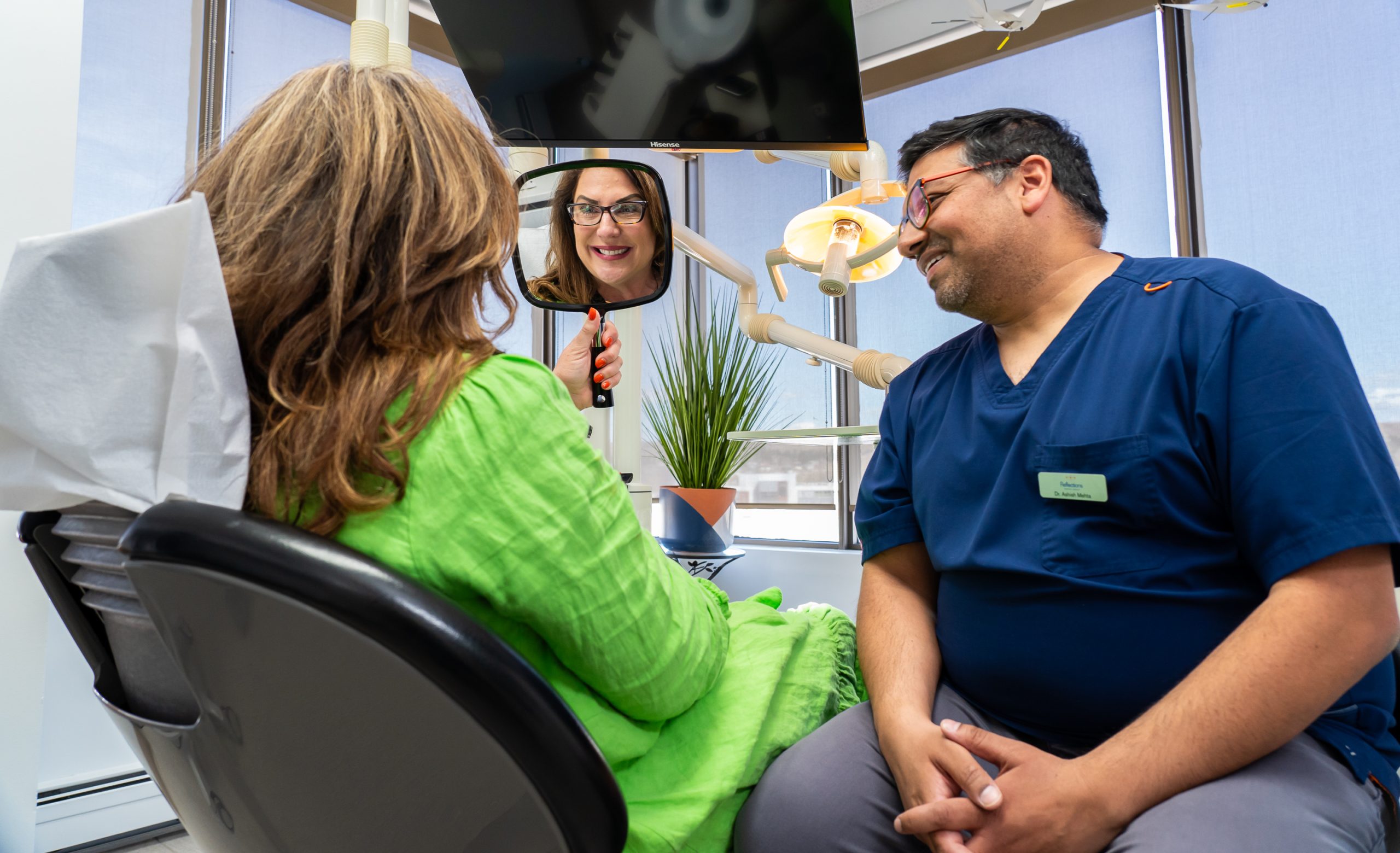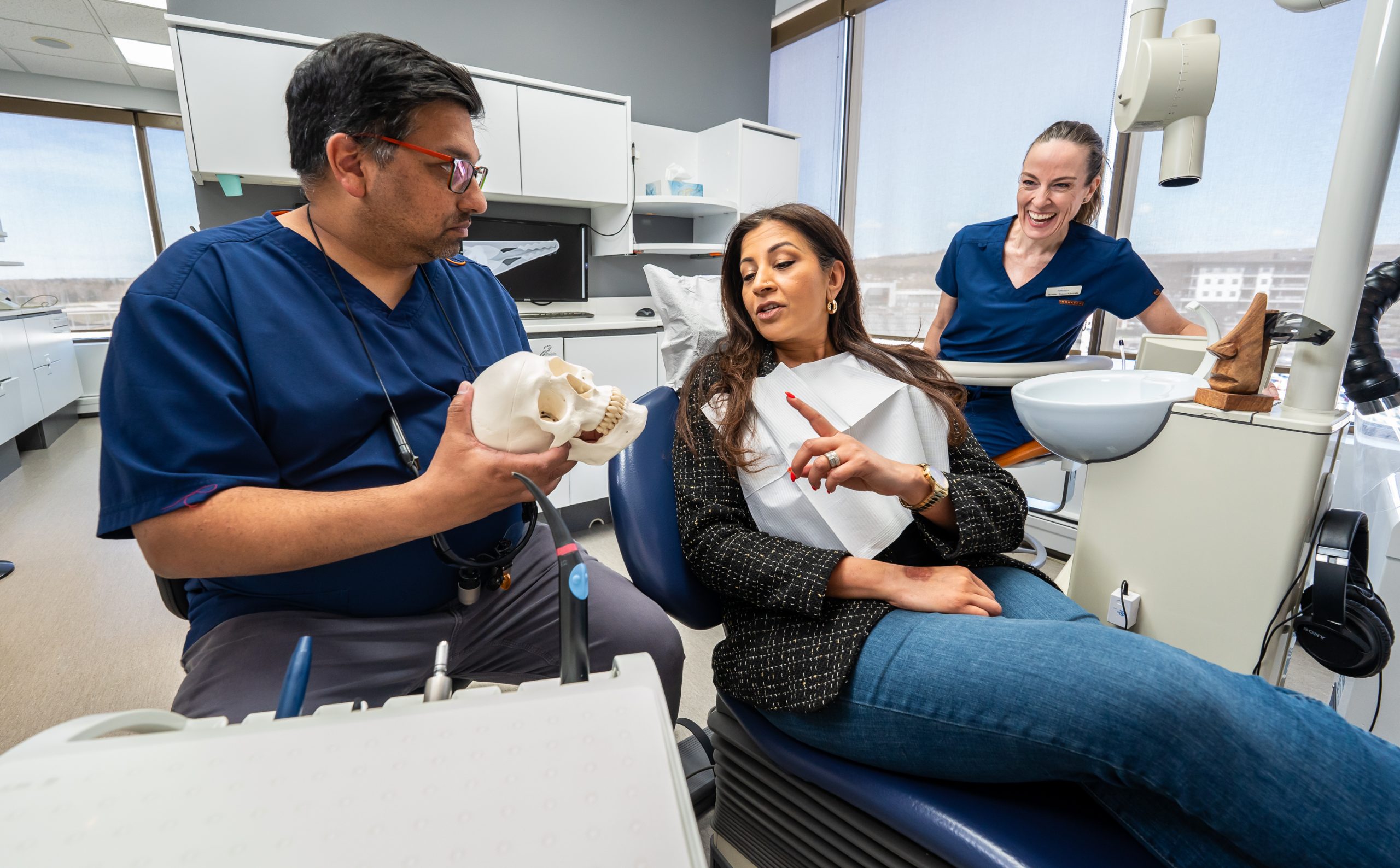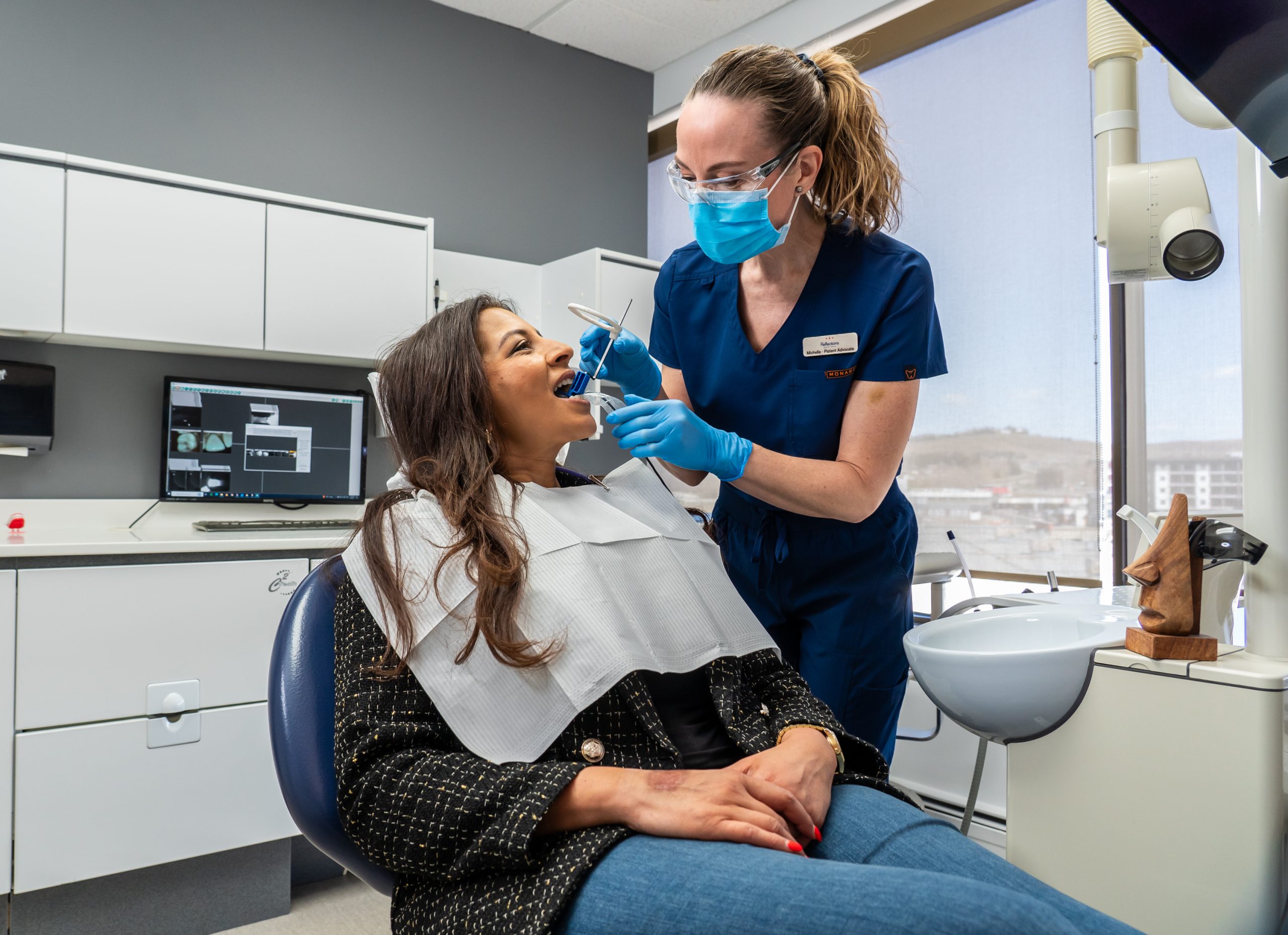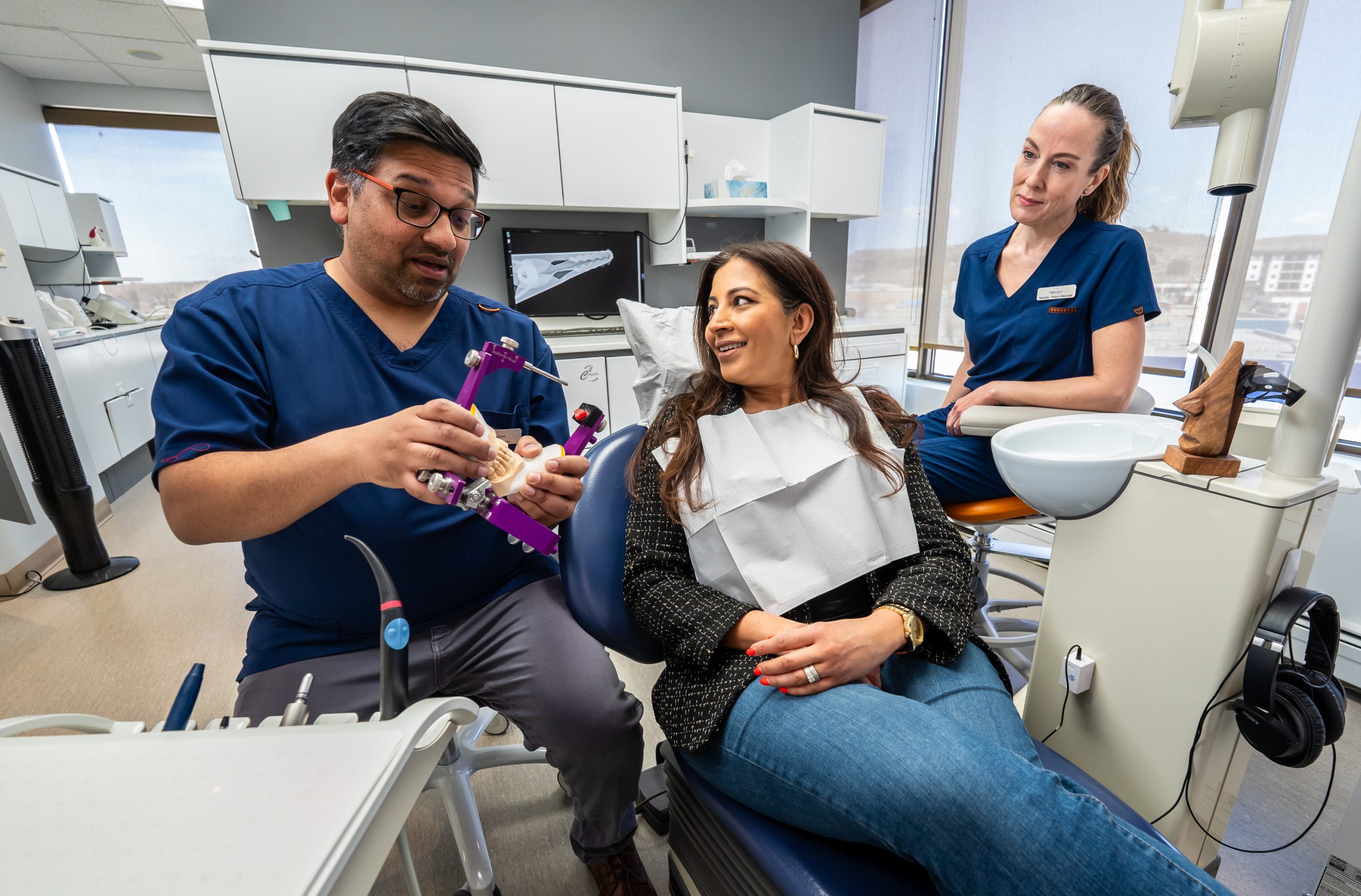
Oral surgery is a normal procedure within the dental world. Oral surgery can fix various issues, including tooth removal, placing a dental implant, or even problems with the jaw. After oral surgery, pain and swelling are normal and may feel uncomfortable at first, but we can help you feel better quicker with the right care.
Here we will show you what to expect after oral surgery, ways to reduce pain and swelling with simple methods, how to heal faster, and food to eat for mouth recovery.
How to Reduce Swelling After Oral Surgery
Swelling is your body’s natural way of healing. Swelling may be scary to look at, but the swelling is a part of the healing process. Generally, swelling begins around a few hours post-surgery and can peak anywhere from a day or two after your procedure.
Here are a few simple ways to reduce swelling:
| Method | What to Do |
| Cold Compress | Place an ice pack on the outside of your face near the swollen area. Do this for 15–20 minutes, then take a break. Repeat every few hours on the first day. |
| Keep Your Head Raised | When resting or sleeping, use two pillows to keep your head above your heart. This helps swelling go down. |
| Avoid Heat | Don’t use a heating pad in the first 24 hours. Heat can make swelling worse. |
| Follow Dentist’s Instructions | Always follow your dentist in NW Calgary aftercare instructions for optimal results. |
Best Pain Relief Options After Dental Surgery
Pain after oral surgery near you is completely normal. Your dentist may prescribe a testimonial medication to ensure you are as comfortable as possible, but we want to show you a few ways you can manage pain after oral surgery without medication. There are many other ways to manage pain.
- Pain Medication by Prescription – Your dentist might prescribe pain medication like ibuprofen or acetaminophen. Timing is important, so you should aim to take them before you experience strong pain.
- Non-Prescription Pain Medication – If you do not have a prescription, you can speak with your dentist regarding over-the-counter medications that may be safe for you to take.
- Rest – Giving your body a chance to heal is important. Avoid running or lifting heavy things for a couple of days or more.
- Cold Packs – Cold can help to reduce pain as well as swelling.
You can usually expect some pain for a few days afterwards. If that pain worsens after the first few days, you can contact your dentist to investigate the cause. You may have an infection or something else.
What to Eat After Oral Surgery to Aid Healing
Your mouth and/or jaw will be sore for a little while after your oral surgery. Only eat soft and cool food that are easy to chew and swallow. If you aren’t sure what to eat or how to properly heal in a timely manner, a dentist near you can guide you on the optimal choices for a smooth recovery.
Here are some good food options:
- Mashed potatoes
- Yogurt
- Applesauce
- Scrambled eggs
- Smoothies (without straws)
- Broth or lukewarm soups
- Oatmeal or soft cereal
Do not eat:
- Hard or crunchy foods like chips
- Spicy or hot foods
- Foods that need a lot of chewing
- Foods with small seeds that may get stuck
Important: Never use a straw after oral surgery. The sucking action can loosen the blood clot and cause a painful condition called “dry socket.”
How Long Does Swelling Last After Oral Surgery?
Swelling often starts within the first 6 hours after your surgery. It may get worse for the first 2–3 days. Most swelling goes down by the fifth day.
Here’s a simple breakdown:
- Day 1–2: Swelling increases
- Day 3: Swelling starts to peak
- Day 4–5: Swelling begins to go down
- Day 7: Swelling is mostly gone
If swelling lasts more than a week or gets worse, visit your oral surgeon to check for infection.
Tips for Faster Recovery from Oral Surgery Pain
To feel better quickly after surgery, follow these tips:
- Follow Post-Op Instructions – Your dentist will give you a list of things to do after surgery. Read and follow them carefully.
- Avoid Rinsing Your Mouth Right Away – Don’t rinse your mouth in the first 24 hours. After that, rinse gently with warm saltwater.
- Avoid Smoking or Drinking Alcohol – These can delay healing and cause problems.
- Drink Plenty of Water – Stay hydrated but avoid straws.
- Get Enough Rest – Sleep and relax so your body can heal.
- Avoid Touching the Area – Don’t touch the surgery site with your tongue or fingers.
Why Dental Cleaning Matters After Oral Surgery
Once your mouth has healed, you should return to your dentist for a dental cleaning in NW Calgary. Cleanings help remove plaque and tartar. Keeping your mouth clean reduces the risk of infection and helps your gums stay healthy.
Good oral hygiene is important after any surgery. Brush your teeth gently, avoid the surgery site, and use a soft-bristle toothbrush.
When to Call Your Dentist
Sometimes, problems can happen after surgery. Call your dentist if:
- You have a fever
- The pain gets worse after a few days
- Swelling does not go down
- You see pus or bleeding that won’t stop
- You have trouble opening your mouth or chewing
It’s better to call early and get help.
Restore Your Smile with Expert Oral Surgery!
At Reflections Dental Group, we provide safe and professional oral surgery to help you feel better and smile with confidence. Whether you need a tooth removed or another treatment, our team is here to take care of you. We use modern tools and follow careful steps to make sure your treatment is comfortable.
Call us today to book an appointment. Let us help you smile better!