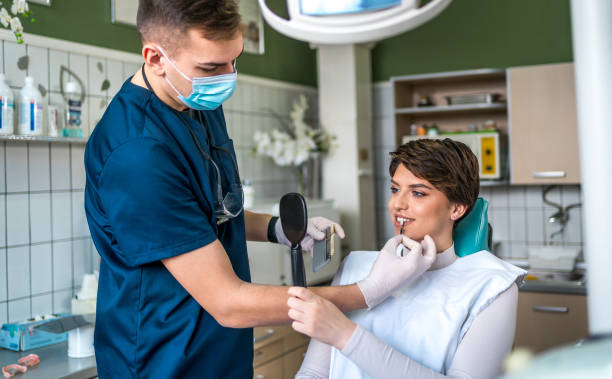
Getting a new smile is an exciting journey, but the time immediately following your procedure is the most important for long-term success. If you are looking for a trusted dentist near you, they will tell you that how you treat your mouth in the first few weeks determines how well the implant bonds to your bone. Knowing what should you not do after a dental implant can prevent complications and ensure your investment lasts a lifetime.
1. Skipping the Rest Period
One of the mistakes patients make is trying to get back into their normal routine too quickly. Your body needs energy to heal the tissue and bone around the new implant. Heavy lifting or intense exercise can increase your heart rate, which may lead to more throbbing, swelling, or even bleeding at the surgical site.
It is best to take it easy for at least two to three days. Keep your head elevated when you lie down to reduce swelling. By giving your body a chance to rest, you are creating the best environment for your new tooth to settle in.
2. Using Straws and Smoking
This is a critical rule: do not use a straw for at least a week after surgery. The suction created when you use a straw can pull on the surgical site and disturb the blood clot that is necessary for healing. If that clot is dislodged, it can lead to a very painful condition called dry socket.
Similarly, smoking is one of the leading causes of implant failure. Smoking reduces blood flow to the gums and slows down the healing process significantly. If you are getting dental implants near you, most professionals will advise you to stop smoking for several weeks before and after the procedure to give the bone a fair chance to bond with the implant.
3. Eating Hard or Crunchy Foods
While your implant will eventually be strong enough to eat anything, it is very vulnerable in the beginning. A dentist in NW Calgary will advise you to avoid hard, crunchy, or sticky foods like chips, nuts, and candies. These can poke the sensitive gum tissue or put too much pressure on the implant before it has firmly attached to the bone.
Stick to a soft-food diet for the first few days. Think of things like the following:
- Lukewarm soups
- Yogurt and smoothies (no straws!)
- Mashed potatoes
- Scrambled eggs
4. Neglecting Your Cleaning Routine
Some people are afraid to touch the area and stop cleaning altogether, while others scrub too hard. Both are mistakes. You must learn how to clean dental implants properly to keep bacteria away from the healing site.
For the first 24 hours, avoid vigorous rinsing. After that, you can gently use a warm salt-water rinse to keep the area clean. When you resume brushing, use a very soft-bristled toothbrush and move gently around the surgical site. Keeping the mouth clean prevents infections that could cause the implant to fail.
5. Procrastinating on Follow-Up Visits
Don’t skip follow-ups even when feeling good or doing well. These visits enable your dentist to make sure that the implant is correctly “integrating” into your jawbone. They are able to detect smaller situations, like an irritation to the gums, before it leads to bigger issues.
If you are receiving dental implants in NW Calgary, your provider will likely want to see you a few times over the first few months. These check-ups are the best insurance policy for your new smile.
6. Poking the Area with Your Tongue
It is human nature to be curious about a new sensation in your mouth, but try to keep your tongue away from the implant. Constantly “wiggling” or pushing on the new post with your tongue can interfere with the bone-bonding process. Think of it like a broken arm in a cast—it needs to stay perfectly still to heal correctly. Learning how to take care of dental implants after surgery isn’t difficult, but it does require a bit of patience and discipline.
A Strong Foundation for Your New Smile
By avoiding these common pitfalls, you are setting yourself up for a beautiful, functional smile that can last for decades. Treat your new implant with care during the first few months, and it will take care of you for the rest of your life.
At Reflections Dental Group, we think everyone should have a smile that they love. Our team is really gentle and expert, which assures the successful journey of your implant from the beginning to the end. We are ready to respond to your every question and to support you at all phases of recovery. Ready to restore your smile? Concerned about your dental health? Visit our website to learn more about us and how we can help you!
Please visit our website to schedule an appointment.
Frequently Asked Questions
How long does it take for an implant to heal?
The surface of the gums usually heals in about two weeks, but the “osseointegration” (the bone growing around the implant) takes between three and six months.
When can I eat normal food again?
Most patients can slowly move back to a regular diet after two weeks, but you should still avoid biting down on very hard objects directly with the implant until your dentist gives the all-clear.
What should I do if the area starts to swell?
Minor swelling is normal for the first 48 to 72 hours. You can use an ice pack on the outside of your cheek for 20 minutes on and 20 minutes off to help it go down.
Is it normal for the implant to feel slightly loose?
No. If the implant post itself feels wiggly or loose, you should contact your dental office immediately. However, if it’s just the temporary “cap” or crown on top that feels loose, that is a much simpler fix.